Nova Institute of Technical Training and Research

Nova Institute of Technical Training and Research

Nova Institute of Technical Training and Research (NITTR) is a Somali institution dedicated to technical training, employability development and applied research. Established in June 2008, the institute was founded in response to the urgent need for practical, market-relevant skills development for Somali youth, women and vulnerable communities affected by unemployment, displacement and limited access to education.

Our Vision

To be a leading institute in the Horn of Africa for quality technical training, applied research and skills development.

Our Mission

To provide accessible, high-quality technical education, employability support and applied research that empowers Somali youth, women and vulnerable communities.

ABOUT NITTR

Nova Institute of Technical Training and Research (NITTR) is a Somali institution dedicated to technical training, employability development and applied research.

Our Focus Areas

Training Portfolio

The Nova Institute of Technical Training And Research(NITTR) delivers a comprehensive, competency-based training portfolio designed to equip individuals with industry-relevant technical, vocational, entrepreneurial, and employability skills.

Training Approach

The Nova Institute of Technical Training And Research(NITTR) adopts a learner-centred, competency-based, and practice-oriented training approach that integrates classroom instruction with hands-on practical training and workplace exposure.

Institutional Footprint and Assets

Headquartered in Mogadishu, NITTR has extensive experience implementing technical and vocational skills development programmes across southern and central Somalia, including Lower Shabelle and other underserved communities.

GET IN TOUCH

We Are Here to Empower and Support You!

NITTR serves youth, women, internally displaced persons, host communities, returnees and refugees through inclusive, practice-based training models that combine theory, workshop learning and workplace exposure. The institute’s history, as documented in the attached profile, shows a commitment to artisan skills development, enterprise attachment, mentorship, life skills and job placement support. This makes the institution especially relevant in a national context where youth employment, resilience and human capital development remain central development priorities.

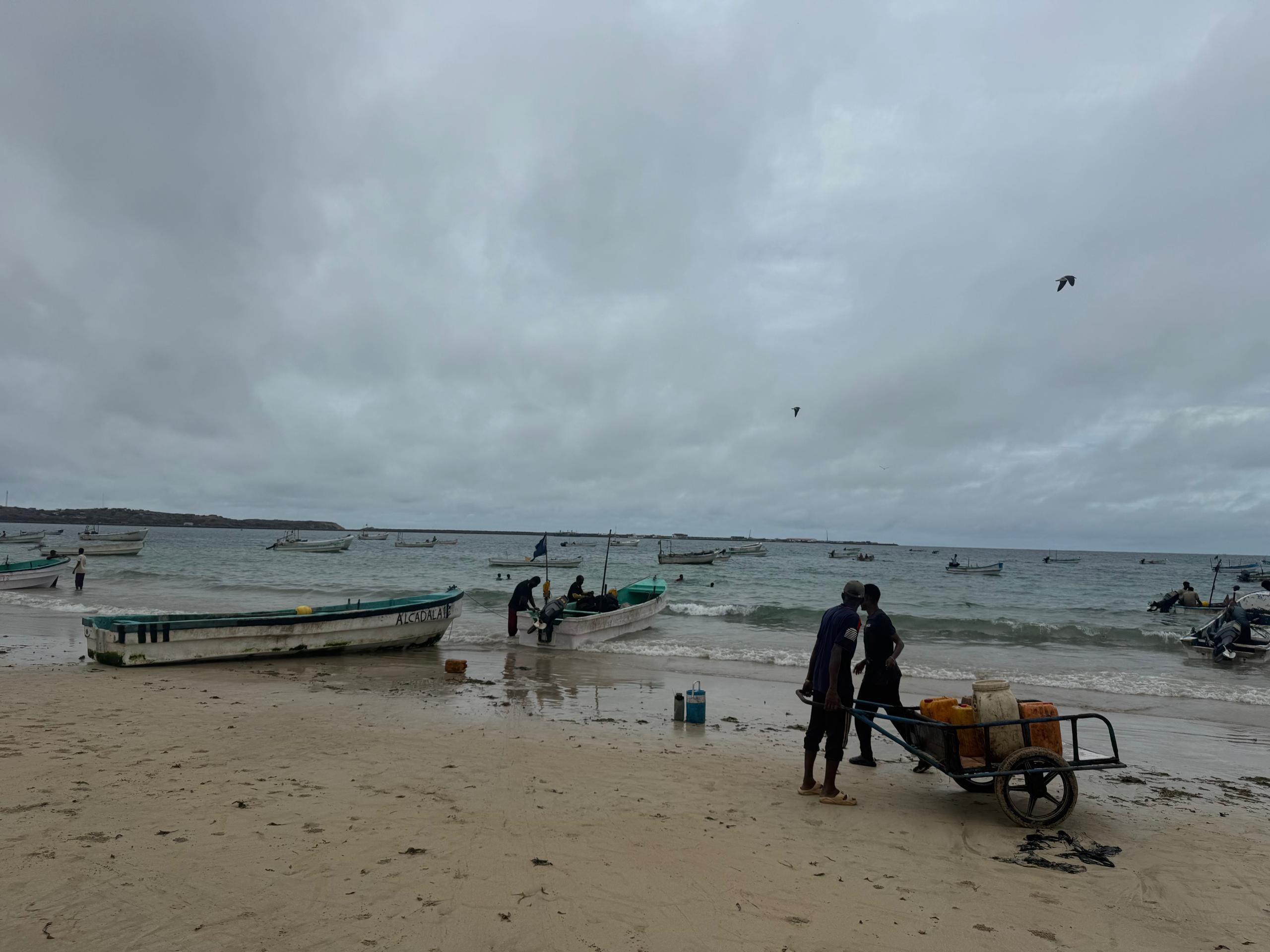
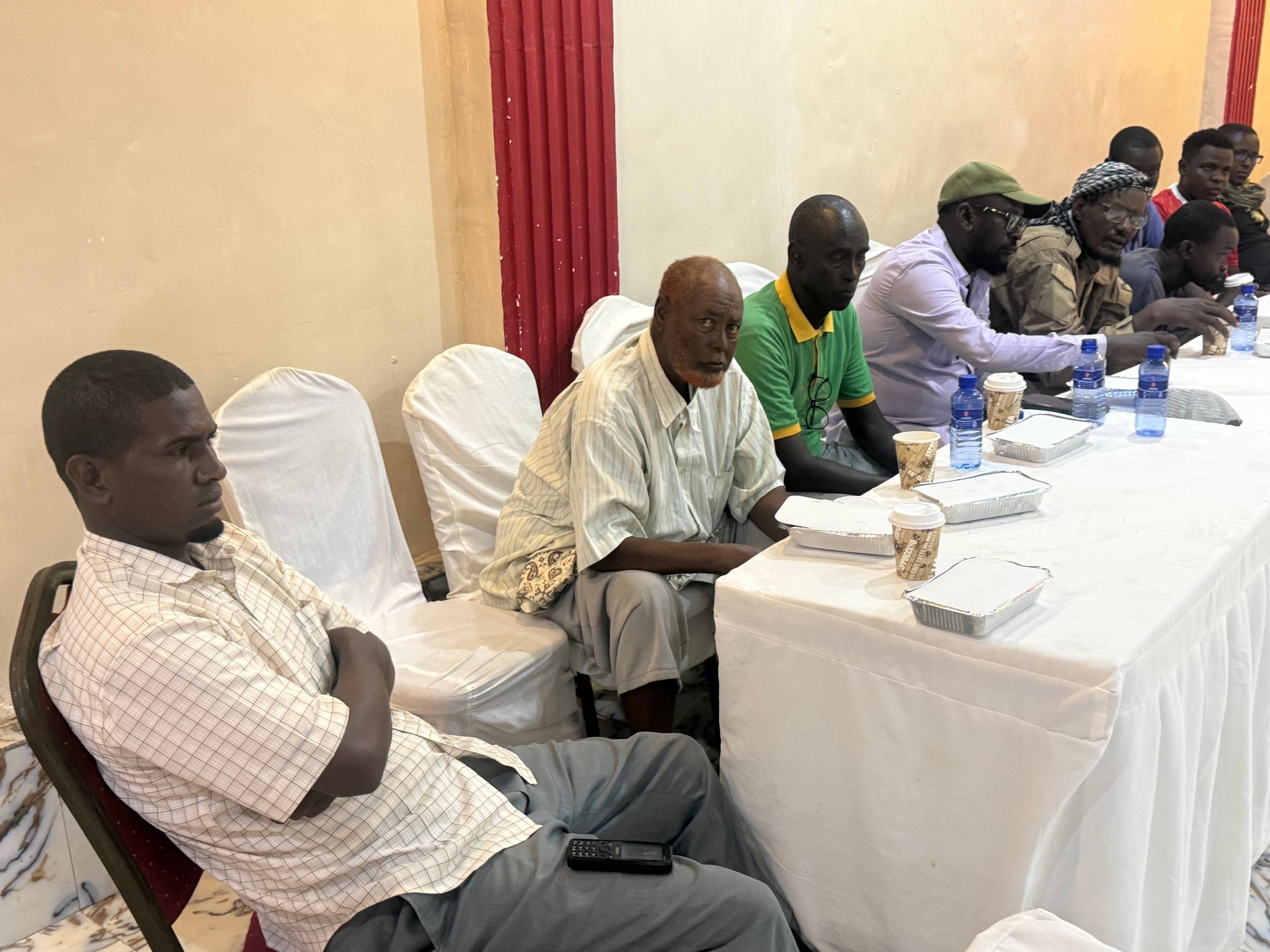
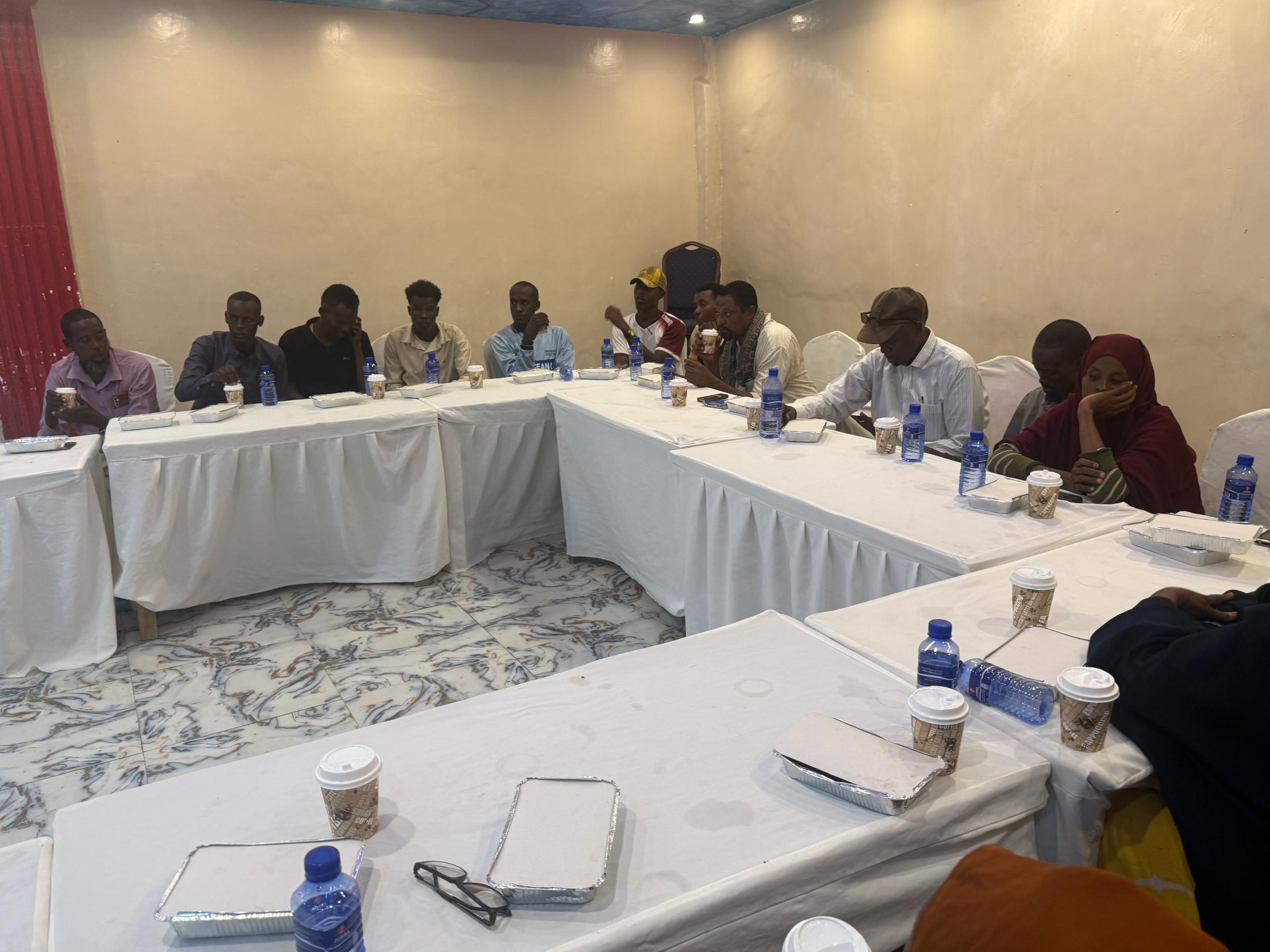
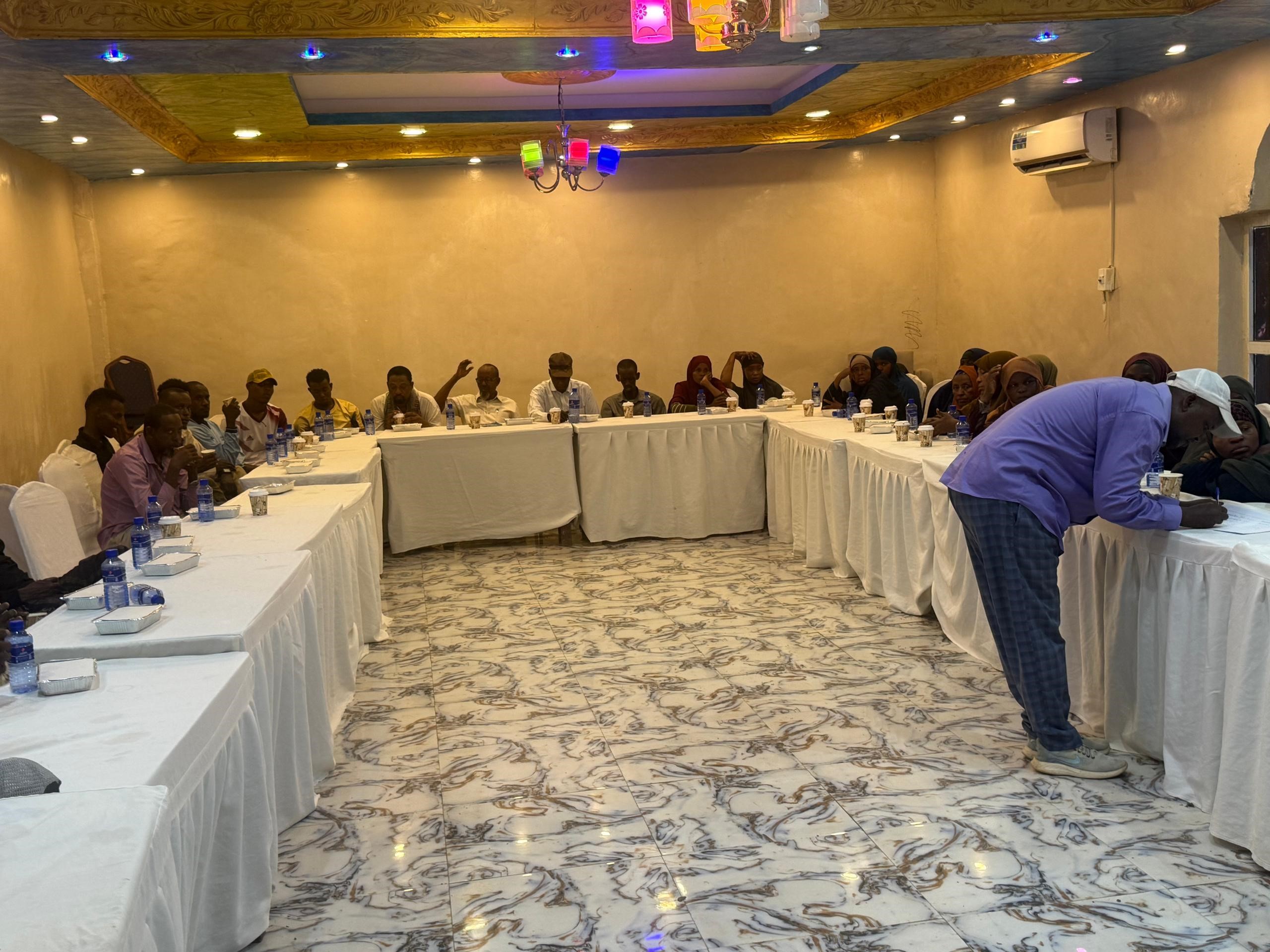
NITTR Gallery

OUR PARTNERS

Scroll to Top